From age 2 to 3
The period of sensorimotor development ends around the age of 2 and the so-called preoperational intelligence stage begins. This represents a qualitative change in the way your child thinks and understands the world. For the next few years, your child will learn to make an action plan and think symbolically. It’s time for step 5, the period from age 2 to 3. Read on to learn about this developmental stage and what all these changes and milestones are about.
Child development from age 2 to 3
You’ve probably noticed how capable your child already is. At this age, children are steadily expanding their skill toolbox and knowledge which, unsurprisingly, happens naturally through play. That’s why it is important to follow your child’s developmental lead. Every skill your child acquires is a starting point for new experiences, further exploration, and novel attempts to learn through trial and error.
How can you support and reinforce your 2-year-old’s development?
- Large motor skills: Your child can run while avoiding obstacles, throw and kick a ball, jump, ride a balance bike and climb stairs. Give your child opportunities to hone all these skills in a safe environment.
- Fine motor skills: Your child likes to draw and can copy lines, shapes and even crude human figures (mainly consisting of a head). They can build a tower with up to 9 pieces and recognize basic colors.
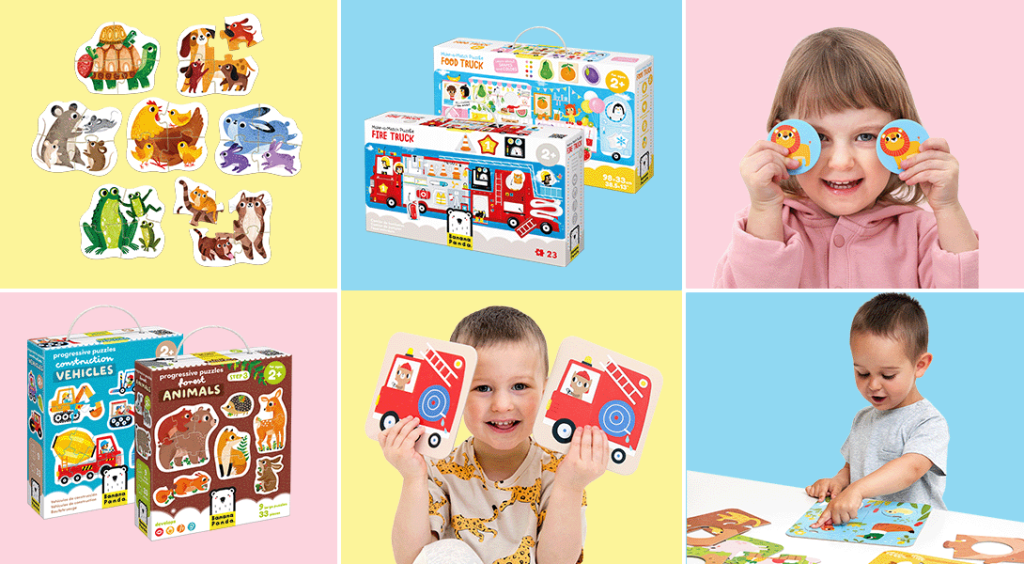
This is a great time to introduce blocks, sticks, sand, materials for drawing and coloring and puzzles. - Routine skills: Your child wants to hold their own drinking cup and use silverware independently. They can take off their own socks, gloves and underwear and put on their own shoes. This is normally a period when potty training ends, though accidents can still happen at night to children of this age.Support your child and their budding independence.
- Significant expansion of speech repertoire: both in terms of expanding vocabulary and the ability to pronounce and understand increasingly difficult sounds. Your child can not only answer the question “What is this?” but also “Who is sitting?” “What are you eating?” and “What is red?” This gives you many opportunities to introduce simple riddles. Your child enjoys listening to their favorite stories over and over and likes to talk about events that are important to them using more complex sentences of up to 7 words.
Read books together, talk about the illustrations and what the main characters are doing. Relate the stories to experiences that are familiar to your child. Ask your child questions and explore the topics that interest them! - Engage in pretend play, for example tea parties that involve drinking from empty cups, feeding a teddy bear with a spoon or making a phone call with a building block.
- Use the objects around you or elements from game sets or other toys in creative ways.
- Create a visual representation of your child’s day using illustrations from games or puzzles and talk about the activities that are part of your daily routine.
- Visit local playgrounds as often as you can to expose your child to play with other children. Talk about the events of each day, your child’s friends, and all the activities you have engaged in.
Follow us on Instagram!
Like our Facebook page!
Follow us on TikTok!